
Why general services residents and business owners need a precise roadmap before the first excavator arrives
Homeowners and facility managers across general services know that the region’s rapid growth leaves very little room for hesitation. Whether you are clearing a tight urban lot for a mixed-use build or deconstructing an outdated warehouse along the industrial corridor, success hinges on thoughtful demolition planning. Treating demolition as an integral phase of development—not just a brute-force step—helps general services projects stay on schedule, remain compliant with local ordinances, and minimize environmental impact.
Start with a site inventory. In general services, parcels often blend historic structures with newer additions, underground utilities, or coastal drainage easements. Mapping every element, from HVAC units to fiber-optic lines, enables your demolition contractor to sequence work safely. Equally important is researching municipal requirements. The general services planning department typically needs advance notice for sidewalk closures, debris staging, and noise-control strategies, especially near schools or medical campuses.
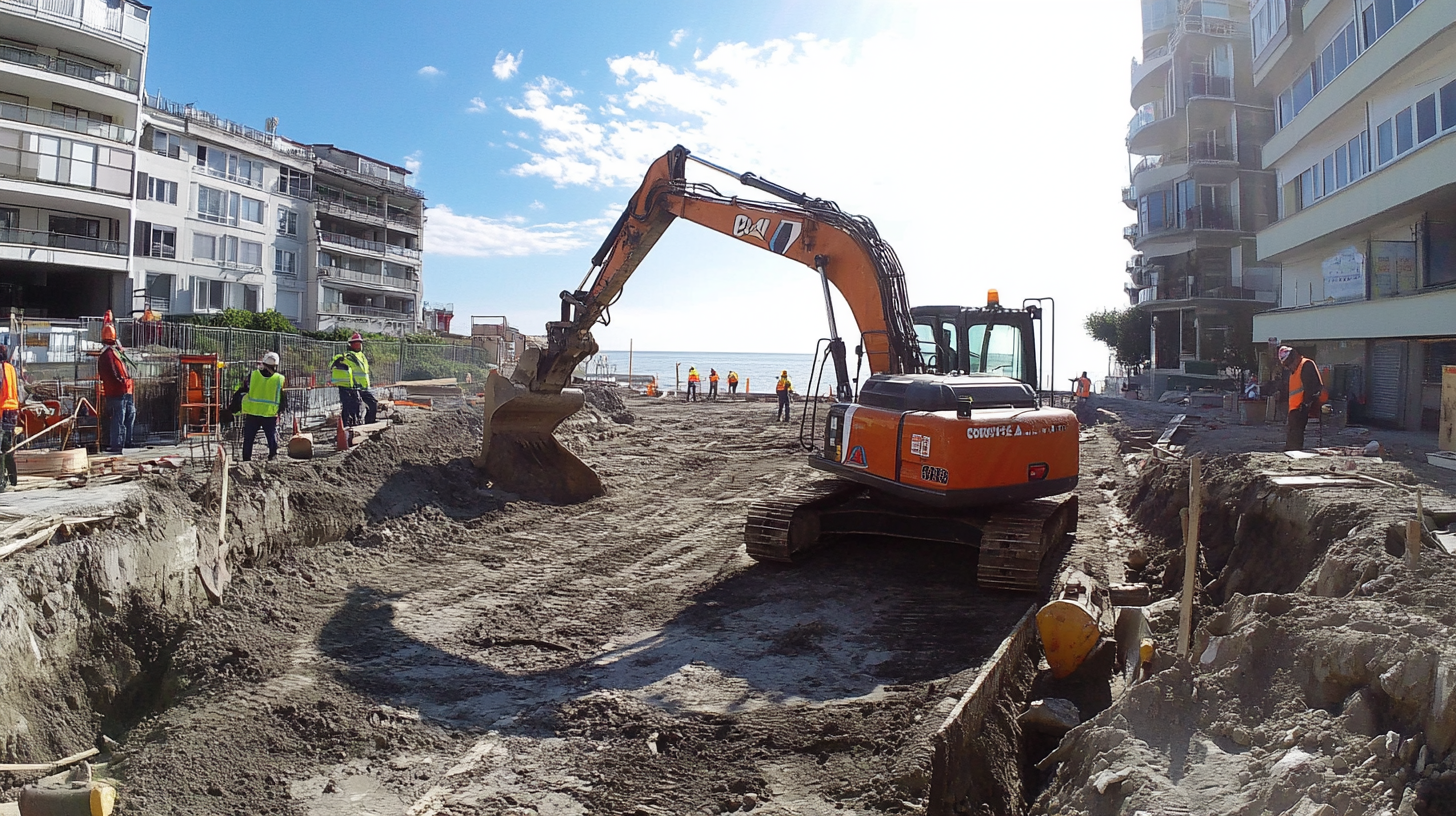
Once the paperwork is in motion, focus on deconstruction logistics. Many general services neighborhoods require selective teardown because adjacent buildings share party walls or utilities. Skilled crews can saw-cut structural members floor by floor, remove them with compact loaders, and stage debris for recycling. This approach protects neighboring façades and reduces disruptions to nearby shops that depend on foot traffic. If your property borders a wetland or the tidal inlets popular around general services, additional erosion-control measures like silt socks or temporary ponds may be required before heavy equipment mobilizes.
Material recovery is another hallmark of responsible general services demolition. Steel beams, untreated timber, and crushed concrete often find second life in local projects, cutting hauling fees and landfill use. Ask your demolition partner about on-site sort-and-load practices. Some crews bring mobile processing gear to general services job sites, turning masonry into reusable aggregate before the last truck leaves. It is a cost-effective way to meet the city’s sustainability benchmarks and score points with eco-conscious clients.

Coordination with other trades keeps your schedule intact. General services construction teams often juggle concrete cutters, utility locators, and environmental inspectors simultaneously. A seasoned demolition manager will build a phased timeline that incorporates each specialist. For example, hazardous-material abatement may need a full week before structural demolition begins, while soil testing should occur immediately afterward to confirm the site is ready for excavators to regrade. Constant communication prevents idle crews and keeps equipment rentals from ballooning your budget.
Safety is non-negotiable. General services inspectors look for fall protection, dust suppression, and real-time air monitoring in dense corridors. Consider installing water-mist cannons or negative-air machines if you are dismantling older structures with suspect materials. Additionally, keeping a certified rigging professional on site can make a big difference when lifting oversized sections from tight alleys or waterfront parcels where crane swing is limited by maritime regulations.

After the last wall comes down, turn attention to site readiness. General services developments tend to move directly into foundation work, so precision grading, compaction, and trenching for new utilities should follow immediately. This is where partnering with a full-service crew pays off; the same professionals who handled demolition can seamlessly transition into excavation, ensuring consistency in documentation and accountability.
Ready to tackle your next project in general services? Partner with a demolition and excavation team that understands coastal soil profiles, congested downtown logistics, and the sustainability goals unique to our community. Call 443-504-3075 to schedule a consultation and customize a plan tailored to your property’s challenges.
For more details, visit our main Demolition & Tree Clearing page.



Add comment