
How General Services property owners can safeguard their infrastructure with smart excavation planning
Residents and facility managers across the General Services corridor know that a well-tuned water and sewer system is the heartbeat of every commercial plaza, mixed-use site, and municipal campus. Yet aging lateral lines, shifting Mid-Atlantic weather patterns, and increasingly strict permitting rules can complicate even a routine upgrade. Today’s projects demand a holistic approach that blends site-specific geology, storm-readiness engineering, and detailed coordination with General Services inspection offices. By viewing excavation not merely as dirt removal but as a strategic investment, you can protect surrounding pavement, stay ahead of code changes, and keep your business operating without costly shutdowns.
One of the biggest hurdles in General Services is the clash between clay-heavy soils and extreme rainfall. Impervious clay keeps water perched near the surface, forcing sewer trenches to fill like bathtubs during sudden downpours. Savvy project planners are combining sealed shoring systems with bypass pumping so crews can continue working even when weather radar looks ominous. Thoughtful trench staging, combined with GPS-guided excavators, minimizes exposure time and keeps the site navigable for neighboring tenants. These practices preserve parking access—an often-overlooked concern for General Services retail centers that rely on weekend foot traffic.
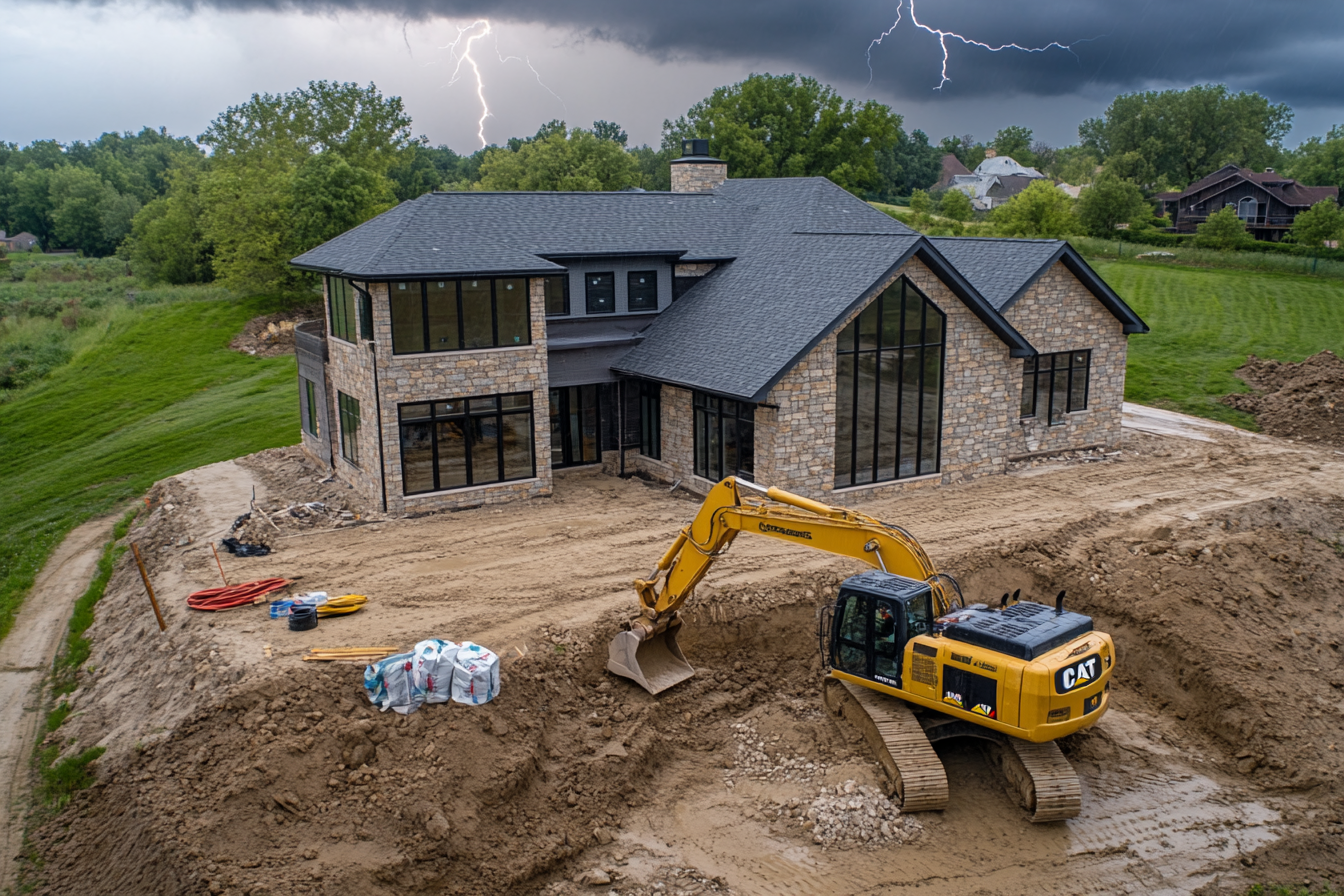
Stormwater preparedness is also driving demand for coordinated water main and sewer replacements. Rather than executing isolated repairs, forward-thinking General Services owners are bundling projects: slip-lining deteriorated storm drains, replacing undersized domestic water feeds, and adding cleanouts for future inspections during the same mobilization. This bundling slashes mobilization costs, reduces the number of permit cycles, and shortens the disruption window for occupants. It also ensures that every linear foot of trench restoration meets uniform standards for compaction, asphalt depth, and ADA-compliant transitions.
Know Your Subsurface Data – Before any bucket hits the ground, obtain a current utility locate complemented by ground-penetrating radar in congested corridors. General Services industrial parks often layer telecommunications, reclaimed water, and fire lines within the same easements. A fresh subsurface scan prevents costly strikes and allows your excavation contractor to sequence bore pits logically, which is especially critical when tying into live mains serving hospitals or labs.
Plan for Off-Hours Tie-Ins – Many General Services businesses depend on around-the-clock production. Coordinate with your contractor to schedule critical cutovers during overnight windows or low-demand periods. Portable water storage bladders and temporary pump stations can maintain service while new valves or hydrants are installed, ensuring compliance with both fire codes and health regulations.
Optimize for Future Access – When reconnecting sewer laterals, request cleanouts at property lines and install tracer wire on non-metallic services. These small additions save hours during future diagnostics, especially in dense General Services neighborhoods where records might be incomplete. Including a GIS-ready as-built package can also speed up future municipal approvals.
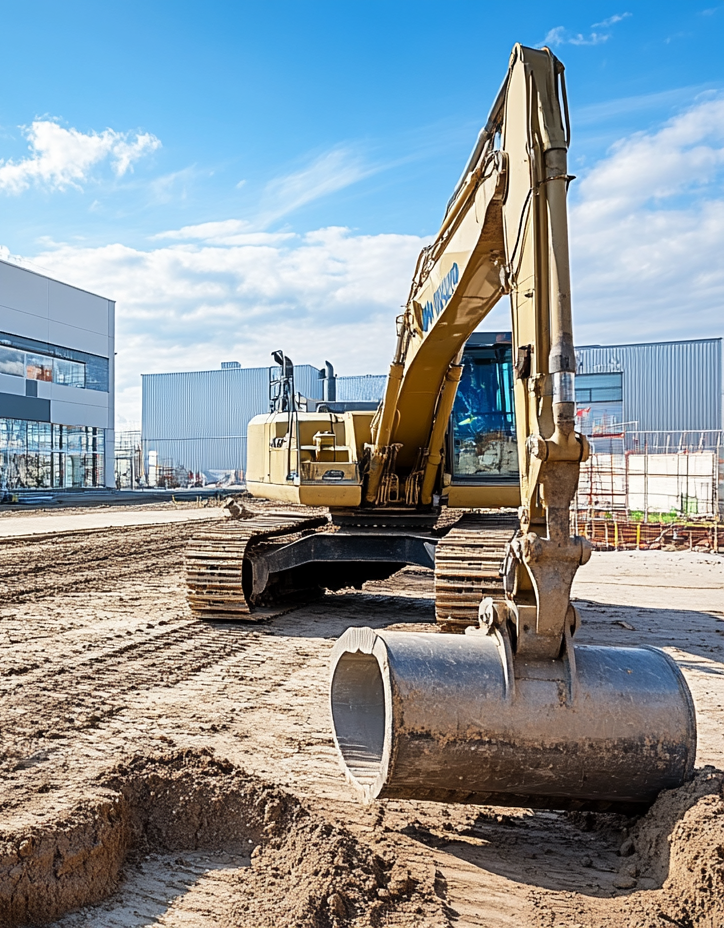
Leverage Trenchless Innovations – Trenchless bursting, cured-in-place pipe, and horizontal directional drilling have become game-changers for General Services campuses that can’t afford to shut down roadways. By reducing open trench lengths, these techniques preserve landscaping, sidewalks, and decorative hardscapes—assets that often cost more to replace than the utility work itself. Pair trenchless methods with high-definition CCTV inspections to verify lining quality and document final conditions for insurers.
Mind the Paperwork Trail – The General Services permitting office has streamlined digital submissions, but incomplete hydraulic calculations or missing traffic plans can still stall a project. Assign a single point of contact to liaise with regulators, and keep a shared folder of soils reports, compaction tests, and bacteriological water results. When change orders emerge—as they often do—this documentation speeds approval and keeps crews productive.
Invest in Post-Project Monitoring – Consider installing smart meters or flow sensors while trenches remain open. These devices alert you to pressure drops or infiltration spikes long before they become public emergencies. For campuses with multiple buildings, networked leak detection can automatically shut valves, preventing structural damage and safeguarding sensitive equipment.
Partnering for Success – Ultimately, the most resilient General Services projects come from collaboration between owners, engineers, and experienced excavation teams. Engage your contractor early, invite them to pre-design meetings, and walk the site together to identify staging areas, haul routes, and neighbor sensitivities. Clear communication fosters realistic schedules and allows your contractor to craft a logistics plan that respects both municipal guidelines and tenant expectations.
When you need a fully integrated approach to water, sewer, or well excavation, reach out to specialists who understand the nuances of General Services topography, traffic, and compliance. A quick consultation at 443-504-3075 can help you map out priorities, budget ranges, and permitting timelines so that surprises stay at a minimum and return on investment remains high.
For more details, visit our main Water page.
Whether you’re preparing a new development pad, connecting an off-grid dwelling, or rehabilitating municipal mains, the secret to sustainable progress in General Services is a proactive plan. Combine data-rich assessments, trenchless options, and a contractor committed to minimal disruption, and you’ll protect both your property value and your community’s confidence for decades to come.



Add comment