
Why every general services property owner should rethink land shaping and air quality before the next build
The rapid pace of redevelopment across general services has made one thing clear: successful projects begin long before the concrete trucks roll in. Whether you are preparing a hillside estate in general services or expanding a business park near the industrial corridor, precision grading and dust mitigation set the tone for safety, drainage, and long-term stability. Today’s blog dives into practical, locally relevant tactics that homeowners, facility managers, and contractors can put to work immediately.
Understand your soil and storm patterns before breaking ground
General services experiences quick-shifting weather—sunny mornings can turn into afternoon downpours that overwhelm poorly sloped lots. Start with a geotechnical snapshot of your soil composition. Clay-heavy pockets along creek-adjacent neighborhoods hold water, while sandy terraces up on the ridge demand deeper compaction. Knowing these nuances allows you to select proper grading equipment, specify engineered fill, and avoid surprises when the first storm rolls through.

Once you understand the subsurface, develop a contour plan that respects natural drainage routes. In the general services valley floor, tying in downspouts to French drains can prevent groundwater from seeping back toward foundations. On sloped sites, create benches that redirect runoff toward bio-swales or retention basins instead of the neighboring driveway. The aim is to sculpt the land so that stormwater follows the path of least resistance—and that path should be engineered, not accidental.
Fine grading vs. rough grading: know when each matters in general services
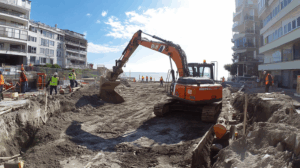
Rough grading is the heavy lifting stage where general services crews cut, fill, and set broad elevations. It’s critical for new builds near transportation hubs where traffic vibration can cause settlement if the base is uneven. Fine grading follows with laser-guided precision, ensuring patios, parking lots, and sports courts meet tolerance requirements. Don’t rush this step; local inspectors in general services frequently require certification that slope percentages meet code before issuing occupancy permits.

An often-overlooked detail is compaction testing. Ask your general services grading contractor to provide density reports, especially if you plan to support heavy equipment or multi-story structures. Passing these tests now keeps you from dealing with cracked retaining walls or uneven warehouse floors later.
Combat dust with neighborhood-friendly tactics
Dust control is more than a nice-to-have; in parts of general services with active HOAs and nearby schools, uncontrolled dust can lead to fines and frustrated neighbors. Water trucks remain the traditional solution, but they require smart scheduling to coincide with the hottest, driest hours. Consider biodegradable tackifiers for long-duration projects—they create a crust over exposed soil without harming landscaping. For industrial yards near the logistics district, installing wheel-wash stations prevents dust from tracking onto public roads.

High-wind advisories are common along the general services ridgeline. When they hit, pause grading if possible and re-prioritize tasks like equipment maintenance or layout checks. Communicate proactively with neighbors about your dust plan; transparency reduces complaints and builds goodwill that can be invaluable when seeking future project approvals.
Blend sustainability with compliance
General services is increasingly prioritizing low-impact development. Incorporate erosion control blankets on steep cuts, and seed disturbed areas with native grasses that anchor soil quickly. Pair these measures with sediment barriers at storm drains to keep silt out of waterways—city inspectors are making surprise visits, and penalties can stall entire timelines. When grading near protected tree roots, use air spading rather than mechanical excavation to preserve critical root zones.
Another sustainability tactic is reusing on-site material. Screen topsoil removed during rough grading and stockpile it for final landscaping. Not only does this cut hauling costs, it ensures future plantings thrive in the same soil profile they grew in before construction. If you must import fill, verify it’s clean and certified to meet general services environmental regulations.
Build your general services project team early
Complex grading schedules benefit from early collaboration between civil engineers, surveyors, and dust control specialists. Invite your general services supplier to pre-construction meetings so they can flag access issues, water sourcing challenges, or weekend noise restrictions. Establish communication protocols for weather delays and designate who has authority to adjust the grading plan on the fly. This foresight prevents finger-pointing when timelines tighten.
Budgeting is equally strategic. Allocate contingency funds for moisture conditioning, unforeseen rock removal, or upgraded dust suppression. With material prices fluctuating across general services, locking in quotes and delivery dates can shield you from mid-project cost spikes.
Keep safety and community relations front and center
Heavy equipment, open trenches, and airborne particles create hazards if unmanaged. Conduct daily tailgate meetings focused on site-specific risks—especially when operating on slopes common in the outer general services suburbs. Install clear signage and temporary fencing to protect pedestrians, and coordinate with utility providers before digging to avoid service interruptions.
Equally important is community outreach. Provide neighbors with a schedule of high-impact activities like rock hammering or large soil exports. Offer a direct contact number so concerns get resolved quickly. The more transparent you are, the smoother your permits and inspections will go.
Ready to put these strategies into action? Partnering with a seasoned general services grading and dust control team ensures every contour, compaction test, and water truck run supports your long-term vision. Call 443-504-3075 to discuss your site’s unique challenges and schedule a walk-through.
For more details, visit our main Grading / Dusting page.
Call to Action: Keep your next general services project on grade, on schedule, and compliant—reach out today to reserve your preferred construction window.



Add comment