
Practical excavation and utility advice tailored to general services neighborhoods and job sites
The rapid growth of commercial hubs and infill housing around general services has highlighted just how vital reliable water and sewer infrastructure has become. Whether you manage a light-industrial park off the main logistics corridor or you are stewarding acreage on the outskirts of general services for a future custom home, the ground beneath you tells a story. Reading that story correctly—before machines arrive—can be the difference between a smooth dig and a costly change order.
Start with the subsurface. The clay-heavy soils common to general services tend to hold water after rain and can disguise old drain fields, abandoned lines, or even shallow bedrock shelves. Conducting a modern utility locate and pairing it with ground-penetrating radar lets you map conflicts and gauge soil stability. If your project hugs one of the area’s many stormwater channels, a hydrology review ensures your trench depth and bedding materials won’t invite infiltration or undermine nearby embankments.
Think beyond the trench. Water and sewer excavation remains the backbone of general services infrastructure, but every dig should now be paired with a storm-readiness plan. Elevating valve boxes above projected high-water marks, installing smart meters that communicate leak alerts in real time, and selecting corrosion-resistant fittings suited to the region’s fluctuating pH levels all prevent surprises once the line is active.
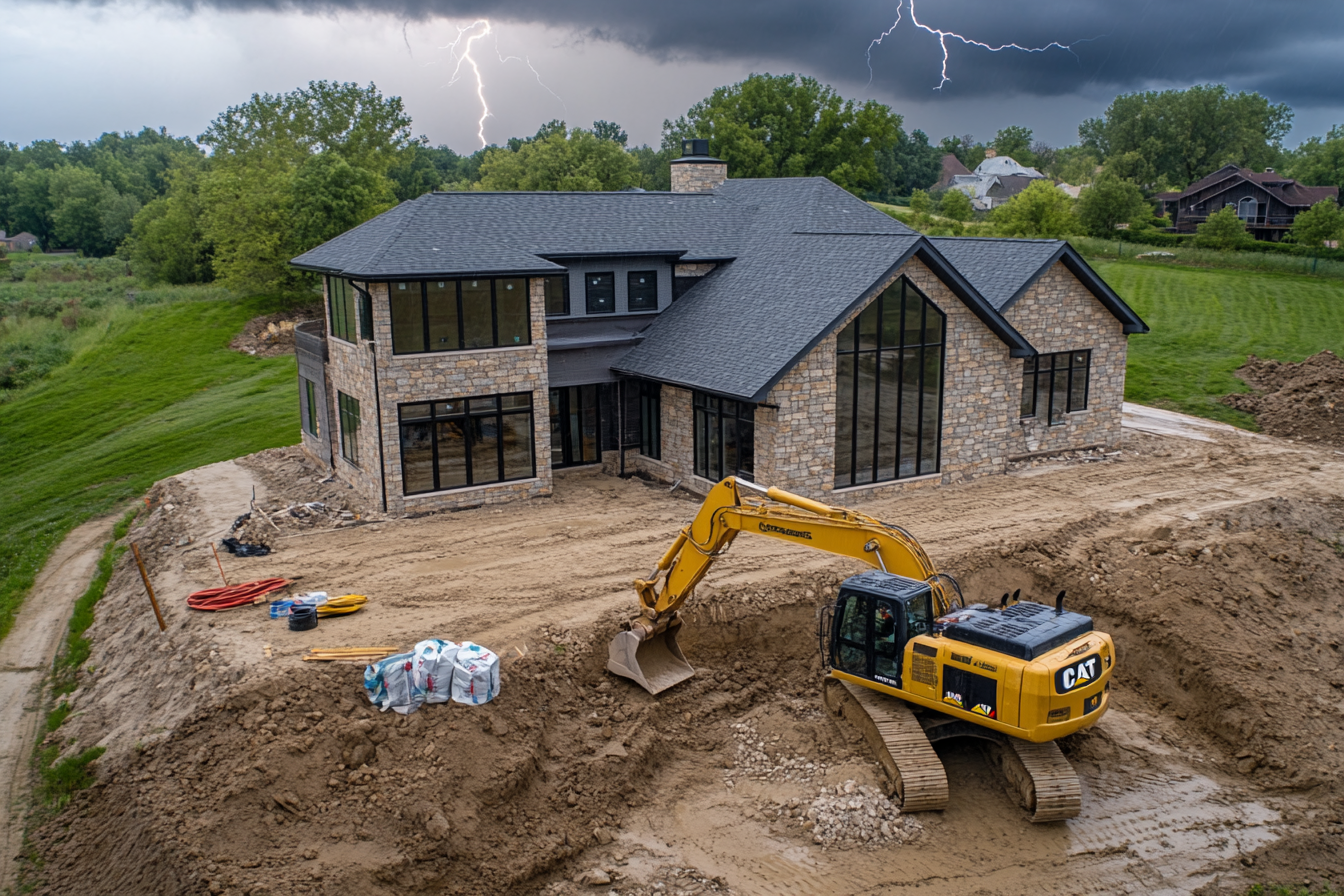
Design for the new storm norm. Rain cells tracking across general services are shorter yet more intense than a decade ago, so detention basins fill quickly and overflow toward freshly cut trenches. Consider staging excavation to coincide with forecast dry windows and keep trench boxes covered when crews are off-site. Installing perforated underdrains wrapped in geotextile beneath long sewer runs allows excess groundwater to escape without destabilizing bedding, a simple upgrade that protects asphalt and landscaping above.
Blend commercial expectations with residential realities. A retail pad along the general services bypass needs rapid tie-ins to keep tenant improvements on schedule, while a farmhouse seeking off-grid well installation prioritizes dependable flow with minimal disturbance to heritage trees. Coordinating both within one service plan streamlines permitting and inspection visits. For example, scheduling municipal tap approvals on the same day as private well pressure tests minimizes travel fees and speeds sign-off for mixed-use parcels.
Navigate permitting with local savvy. Each jurisdiction surrounding general services interprets state plumbing codes slightly differently. Some require tracer wire on every non-metal water line; others focus on backflow prevention devices near food-service establishments. Documenting these nuances early makes budget numbers realistic. When trenchless boring is planned under a county road, be ready to show load calculations, traffic-control diagrams, and proof of asphalt restoration allowances—inspectors appreciate seeing these line items acknowledged before they ask.
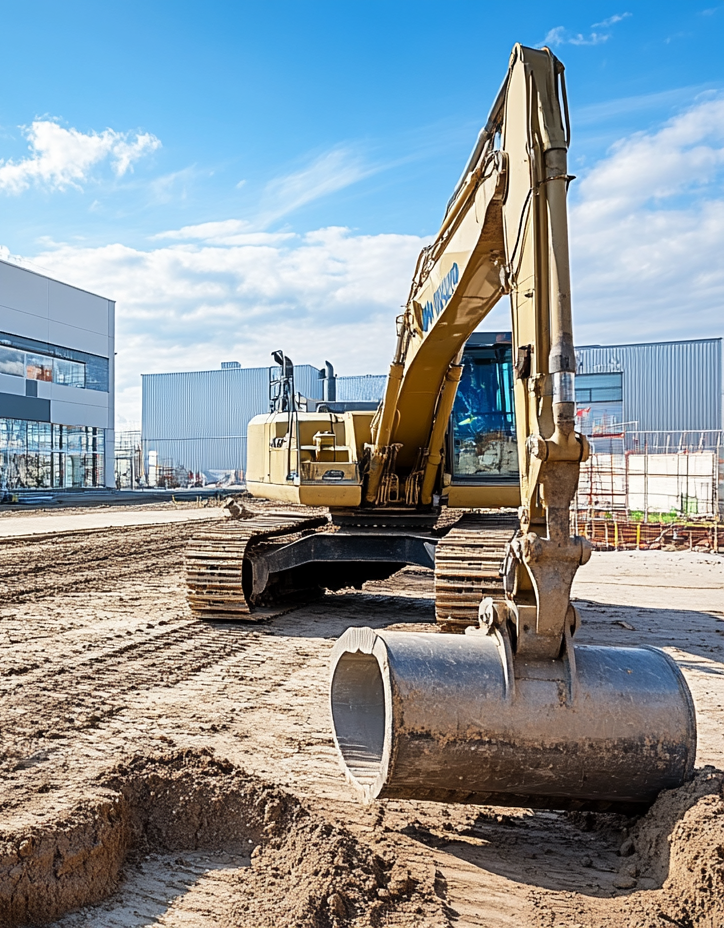
Leverage technology when access is tight. Many general services infill projects sit behind operating storefronts or beside occupied homes. Vacuum excavation, horizontal directional drilling, and GPS-guided grading reduce the footprint of the work area and keep neighbors happy. Pairing these tools with daily photo documentation provides transparent progress reports to lenders and facility managers who cannot be on-site.
Plan the restoration while you dig. Recompacting in lifts, protecting curbs with plywood pads, and staging sod or seed ahead of final inspection send a clear signal that your project respects the community aesthetic. In business parks, consider installing conduits for future fiber or reclaimed-water lines while the trench is open. The incremental cost is minor compared to reopening pavement later, and tenants in general services increasingly expect future-ready utilities.
Stay proactive about maintenance. After the last inspection sticker is signed, set expectations for camera inspections, valve exercises, and seasonal flushing. The mineral content in the general services aquifer can accumulate within a year, so scheduling a reminder for operators protects both public and private investment. Offering a service agreement that includes emergency response can keep your crew top-of-mind when expansions or repairs arise.
Ready to tackle excavation, demolition, or utility work without derailing daily operations? The general services team at Ayres Land Management is on call at 443-504-3075 to map out timelines, budgets, and equipment mixes that respect your property and your schedule.
For more details, visit our main Water page.





Add comment